How is glass recycled?
After you toss your empties into the recycling bin and haul it to the curb, where do your bottles and jars go — and what happens to them?
The journey of your glass bottles and jars is probably longer — but simpler — than you would imagine.
Glass can be used over and over and over and over
People have been making glass for more than 4000 years, and it’s one of the few materials in the world that is perpetually recyclable. The same glass can be broken down and reused over and over again — theoretically, a million times over.
Since recycled glass melts at a lower temperature than new materials, it takes less energy to reuse. In fact, much of the glass in your favorite bottle of beer has possibly been in tens, if not hundreds of bottles of beer before — especially thanks to states that offer deposit programs. (Per the Glass Packaging Institute, in California, glass bottle recycling reaches over 80%.)
So what happens to glass when it is recycled?
Glasses to ashes
The recycling process for glass is relatively simple.
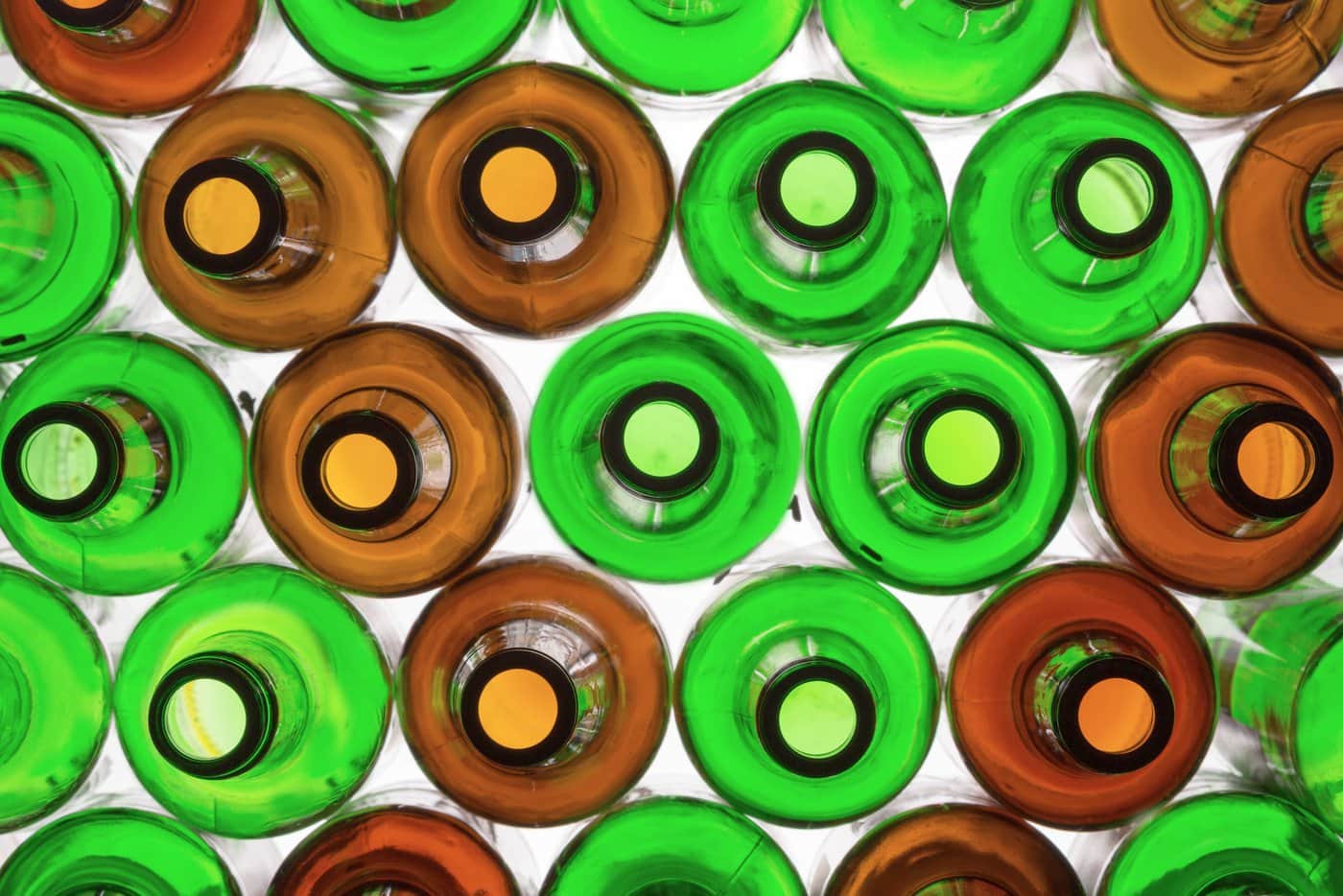
Depending on your local recycling program, either you sort the glass by color before it gets to the facility, or it is sorted upon arrival.
Why bother sorting? Colored glass is created by adding ingredients to the molten mixture when the bottles are formed, and cannot realistically be removed during the recycling process — meaning it would then contaminate other colors of glass. That’s why green bottles go on to make more green bottles.
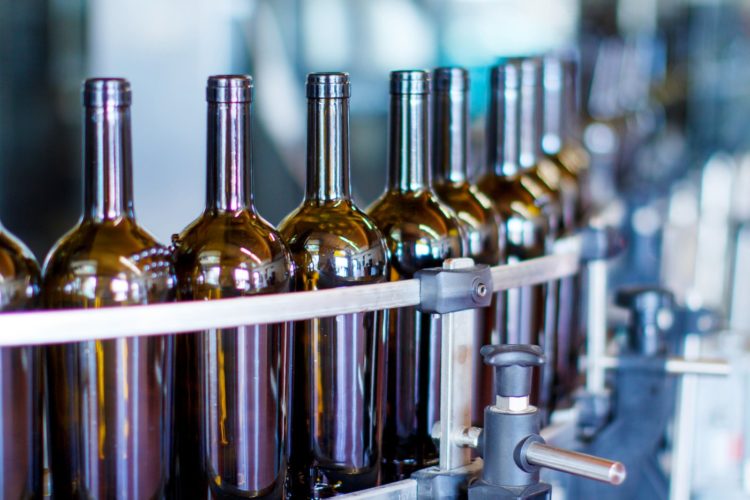
Next, the sorted batches go through a mechanical crushing system that breaks the glass into tiny pieces called cullet. From there, the cullet passes through a series of magnets, screens and vacuums to remove any remaining metal, plastic, bits of labels, etc.
Once it has been filtered, the cullet can then be sold to factories, which will melt it down along with silica sand, soda ash, and limestone — the basic components of glass — which will be made into new glass.
What works, what doesn’t
It’s important to note that in most cases, recyclers cannot accept glass from windows, ceramics, light bulbs, ovenware or drinking glasses. These types of glass may damage the furnace during the recycling process, and are generally chemically incompatible with the glass typically used in jars and bottles.
It’s important to know so you don’t mess with a whole batch of recycled glass just because you tossed your broken window shards into the trash. This varies by area and the recycler, so check with your local agencies if you’re not sure what they do or do not accept.
Glass recycling facts and figures
- Americans added seven million tons of glass to the municipal solid waste landfills in 2017.
- About 26.6 percent of the glass was recovered for recycling.
- Glass recycling increased from 750,000 tons in 1980 to more than three million tons in 2012.
- Food, soft drink, beer, food, wine, and liquor containers represent the largest source of glass generated and recycled.