Frozen yogurt is everywhere, often marketed like ice cream, and I like it, but I don’t really know what the difference is between that and regular ice cream. How are frozen yogurt and ice cream different — and what exactly are gelato and frozen custard?
Once upon a time, frozen dessert was so simple. There was ice cream and… well, there was ice cream. These days we’re surrounded by choice — ice cream, frozen custard, frozen yogurt, gelato, and more. So other than the name, what in the world differentiates all of these? Try to control your drooling for two minutes, and read on.
The breakdown
I think the easiest way to differentiate these frozen treats is to talk about what defines each one. Let’s take a look.
Ice cream
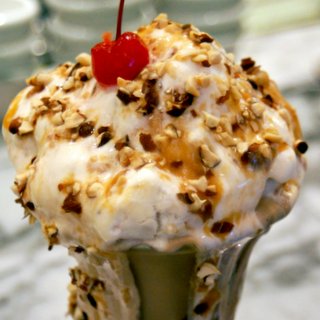
According to the USDA, ice cream, by definition, contains between 10% and 18% milkfat and between 12% to 16% sweeteners by weight. Ice cream also has air blended into it to increase its volume in a process called “overrun” — and can have overrun up to 100%, the final product is light and fluffy because it’s composed of half air.
Frozen custard
Custard is very similar to ice cream, but there are two major differences. First of all, by USDA definition, custard must contain at least 1.4% egg yolk by weight. Egg yolk is a natural emulsifier, which gives custard a richer and creamier texture. Custard is also only overrun up to 20% — adding to the thick, rich texture.
Gelato
The light texture and intense flavor of gelato — considered to be an Italian invention — comes from having a much lower milkfat content than traditional ice cream, more in the 4% to 8% range. In return, it has a much higher sugar/sweetener content than ice cream, running in the range of 16% to 24%. Gelato overrun tends to be about 20% to 35%.
Frozen yogurt
Frozen yogurt (also known as froyo or frogurt) substitutes yogurt in place of the bulk of the cream used in ice cream. As a result, milkfat makes up only 0.5% to 6% of frozen yogurt, with sugar or sweeteners making up 15% to 17% of the weight. Frozen yogurt has a sweet, tangy flavor with a very smooth texture.
Variety is the spice of life
It’s one thing to define what makes all of these frozen delights different from each other, but the best way to see the difference is to experience them all for yourself.
How terrible, I’m telling you to go out and have some ice cream. Go, taste, enjoy, pick a favorite — and don’t be afraid to mix it up once in a while.
Frozen confusion
Once upon a time, frozen dessert was so simple. There was ice cream and… well, there was ice cream. These days we’re surrounded by choice — ice cream, frozen custard, frozen yogurt, gelato, and more. So other than the name, what in the world differentiates all of these? Try to control your drooling for two minutes, and read on.
The breakdown
Ice cream
According to the USDA, ice cream, by definition, contains between 10% and 18% milkfat and between 12% to 16% sweeteners by weight. Ice cream also has air blended into it to increase its volume in a process called “overrun” — and can have overrun up to 100%, the final product is light and fluffy because it’s composed of half air.
Frozen custard
Custard is very similar to ice cream, but there are two major differences. First of all, by USDA definition, custard must contain at least 1.4% egg yolk by weight. Egg yolk is a natural emulsifier, which gives custard a richer and creamier texture. Custard is also only overrun up to 20% — adding to the thick, rich texture.
Gelato
The light texture and intense flavor of gelato — considered to be an Italian invention — comes from having a much lower milkfat content than traditional ice cream, more in the 4% to 8% range. In return, it has a much higher sugar/sweetener content than ice cream, running in the range of 16% to 24%. Gelato overrun tends to be about 20% to 35%.
Frozen yogurt
Frozen yogurt (also known as froyo or frogurt) substitutes yogurt in place of the bulk of the cream used in ice cream. As a result, milkfat makes up only 0.5% to 6% of frozen yogurt, with sugar or sweeteners making up 15% to 17% of the weight. Frozen yogurt has a sweet, tangy flavor with a very smooth texture.
Variety is the spice of life
It’s one thing to define what makes all of these frozen delights different from each other, but the best way to see the difference is to experience them all for yourself.
How terrible, I’m telling you to go out and have some ice cream. Go, taste, enjoy, pick a favorite — and don’t be afraid to mix it up once in a while.
loading...