
Is a tomato a fruit or a vegetable?
Is a tomato a fruit or a vegetable? The answer to that question depends on who you believe: botanists or the US Supreme Court.
Here’s the scoop, so you can catch up on the details.
Tomato, tahmato
A “fruit” is considered to be the edible part of a plant containing the seeds, while a vegetable is defined as the edible non-fruit portions (roots, stems, leaves). Therefore, the seedy tomato is, indeed, a fruit.
It joins other fruits — such as squash, bell pepper, okra, cucumber and eggplant — in the “I’m not a real veggie” clubhouse.
But while botanically the tomato is a fruit, that’s not the end of the story. Way back in 1893, the US Supreme Court ruled the tomato a vegetable [Nix vs Hedden; 149 US 304] to create a financially-friendly little loophole.
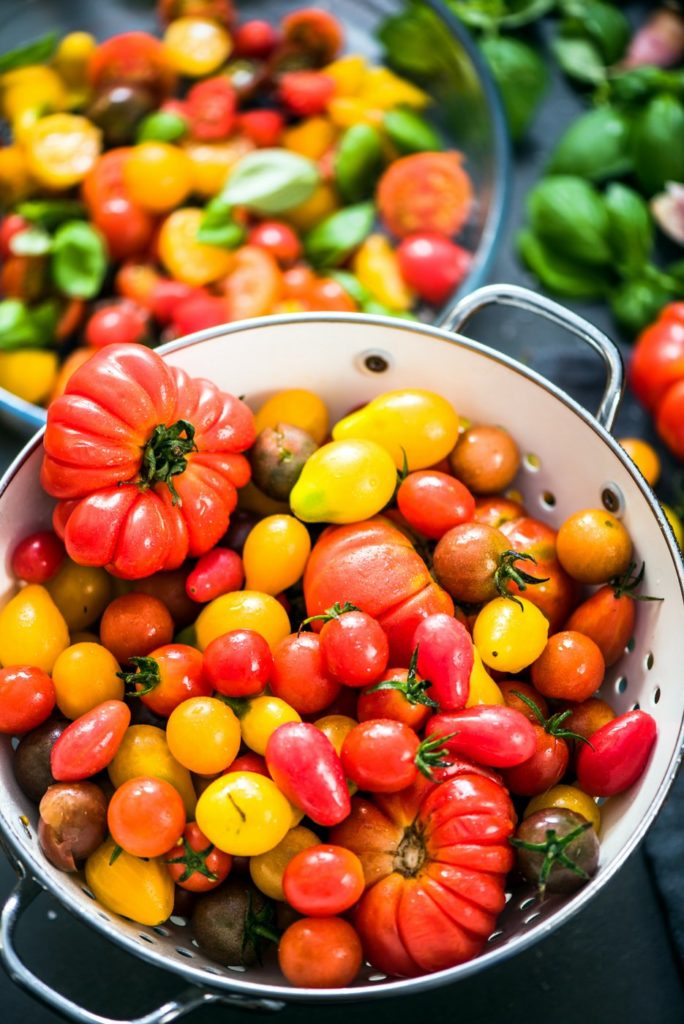
Because of that ruling, American tomato farmers didn’t have to compete with foreign tomato growers… a hearty tax on all vegetable imports let them keep the market to themselves.
Still, the tomato is commonly considered a vegetable. Even researchers — such as the authors of a 2011 review article in the American Journal of Lifestyle Medicine — consider them veggies, writing, “Tomatoes are the most important non-starchy vegetable in the American diet.”
The tomato’s tale
The tomato — or Lycopersicon lycopersicum — reportedly has its roots in South America, but it came to North America by way of Europe. Until the 1830s, the tomato was actually thought to be poisonous — probably because they were similar to their plant cousin, deadly nightshade — and many people were afraid to eat them.
Plant “breeders” have been creating new varieties of tomatoes for over a hundred years — trying to change and improve this plant.
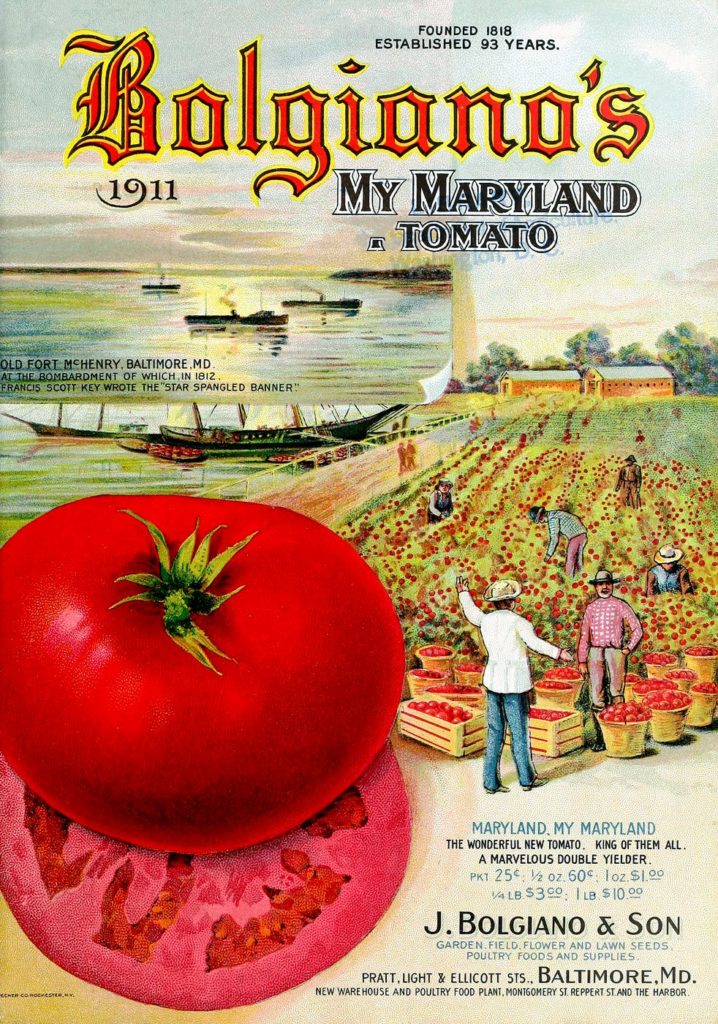
There are hundreds of tomato varieties — see a huge list here — but the ones most commonly seen in grocery stores include beefsteak, cherry tomatoes, grape tomatoes, Roma (plum) tomatoes and heirlooms.
Whether the tomato a fruit or a vegetable, on average, an American eats a hearty 86 pounds of ’em each year — both processed (such as in ketchup/catsup, spaghetti sauce and tomato juice) and fresh.
Researchers at Harvard have concluded that lycopene, a compound that gives tomatoes their bold red color, may help reduce the risk of some cancers. So, among other improvements, breeders are working to find out a way to increase the levels of lycopene in tomatoes.
Since your average 5-ounce tomato has only 35 calories and is a good source of vitamins A and C, it’s a healthy choice — “vegetable” or not. Check out the Tomato Wellness Council site for some other health benefits of the little guys.