
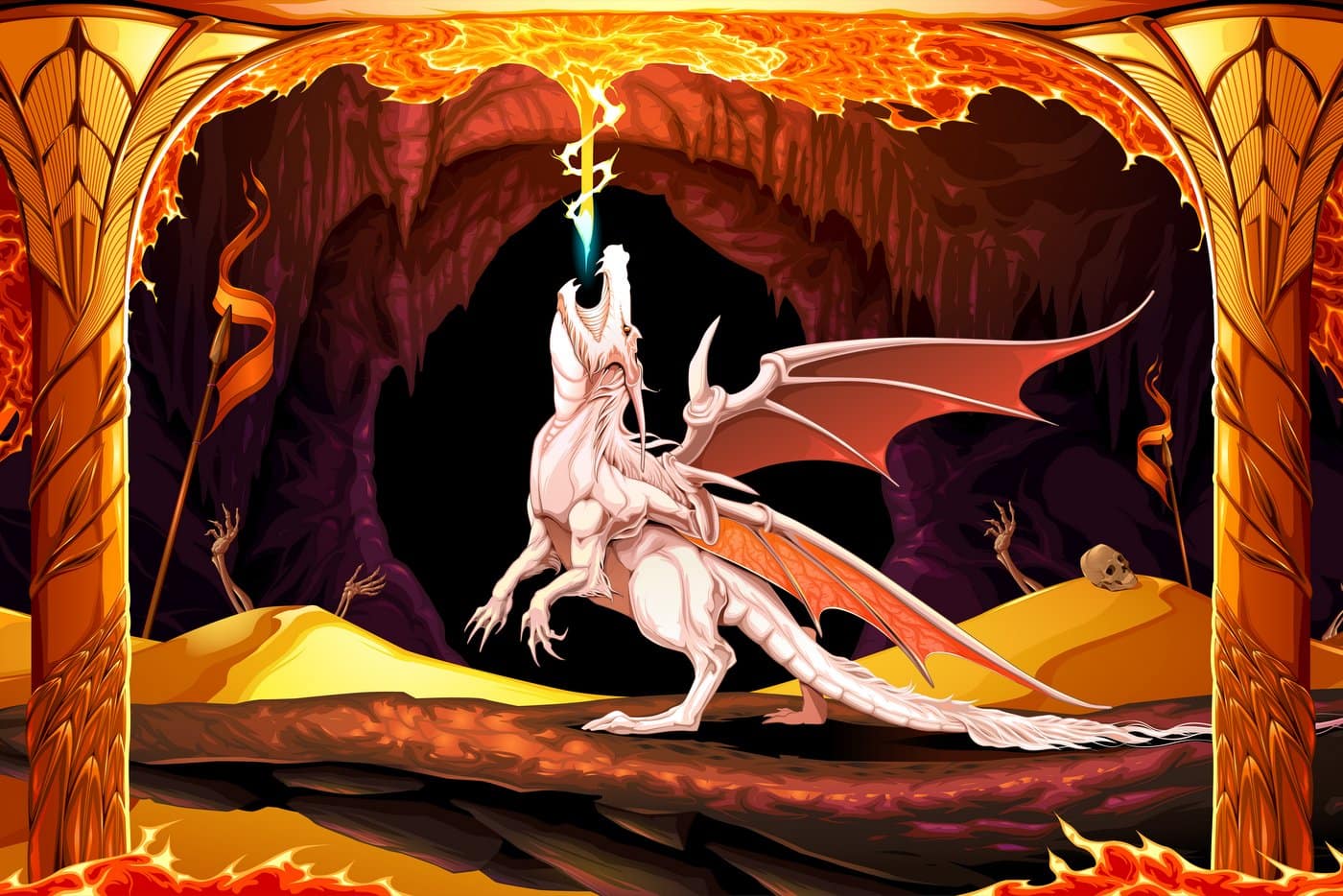
Are dragons real – or were they?
From Game of Thrones to the How to Train Your Dragon movies, you might wonder: Somewhere out there, are there really such things as dragons — or were there?
Here there be dragons
A staple of Asian mythology and culture, the subject and inspiration of numerous movies both good and bad, and the villians of horrible pulp novels from yesteryear.
Dragons are a deeply embedded in both western and eastern culture and are to this day a popular subject for fiction works of all types.
So this begs the question, popular as dragons seem to be, do they really exist, or did they once, a very long time ago?
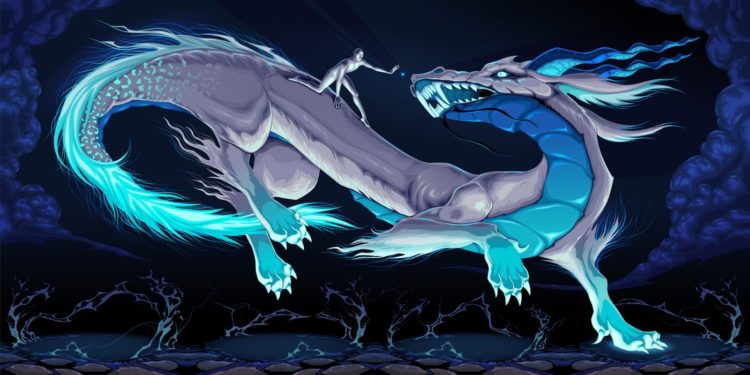
Are dragons real? A brief history of dragons
The short answer is: no.
Despite hundreds, if not possibly thousands of years of dragon mythology — dating back to ancient Greece and China — not a shred of physical evidence of a dragon as typically portrayed has ever been found. (I suppose I could add a “yet” disclaimer to the end of that for the skeptics.)
So where did the idea of dragons come from?
Well, throughout history and even still today, there are numerous reptiles roaming the earth that certainly could, at first glance, pass for a dragon — or what someone would call a dragon, or other serpent-like creature.
In fact, it’s a good possibility that the European dragon mythology originated at least partially from the Nile crocodile. Of course, there are no crocs in Europe today, but there are reports and evidence that the Nile croc’s range was much greater in ancient times.
In other cases, fossils later shown to be of dinosaurs — extinct and too ancient for humans to have seen alive — were mistaken for dragon bones.
The skeletons of whales have even been thought to have belonged to dragons at one point, until science, biology, and cooler heads prevailed.
Monitor lizards & the Komodo Dragon
It’s entirely possible that aboriginal Australians encountered the Megalania, a giant monitor lizard thought to have disappeared about 40,000 years ago, around the time man first began settling in Australia.
As far as living creatures, there is, of course, the Komodo Dragon. Like the ancient Megalania, the Komodo is a member of the monitor lizard family and definitely possesses dragon-like qualities in appearance — hence the name.
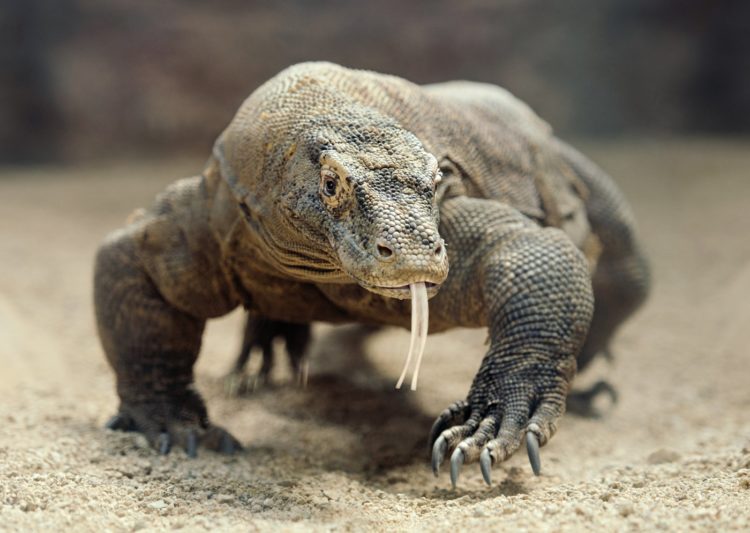
Unfortunately for the (mythical) dragon fans, though the Komodo is poisonous, it (so far) has shown no ability to breathe fire or sprout wings and fly.
But maybe we just haven’t seen it yet. Maybe.