
What’s the best kind of grass for a backyard lawn?
Got some bare spots — or is your whole “lawn” a bare spot? First time maintaining your own lawn? Just fired your gardener for weed whacking your tulips? Ready to live on the side where the grass is always greener?
No matter why you want to know the right kind of grass for a backyard lawn in your region, we have some tips for you.
How to choose the best grass for a backyard lawn
Climate: The first thing you need to understand is your climate zone. This will determine whether (or when) you use cool season or warm season grass. In the middle? You can pretty much pick from either the warm or the cool grasses.
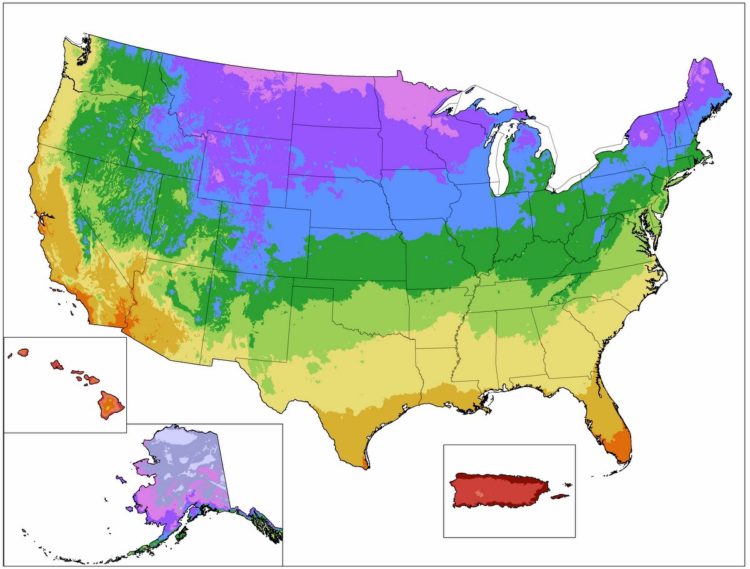
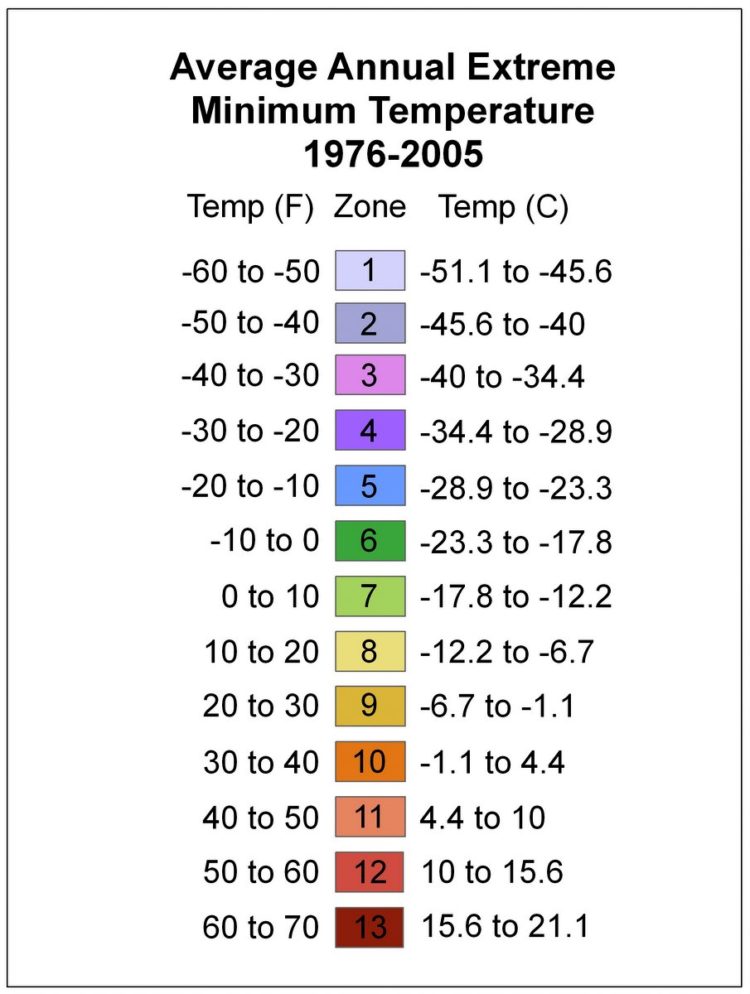
Use: The next thing you need to consider is how you intend to use the lawn. Some types of grass are very pretty to look at… but don’t stand up to heavy traffic, kids at play or the dog. Others may not be the aesthetically perfect lush green carpet, but will tolerate the abuse of day-in day-out traffic.
Maintenance: How much work do you want to put into your lawn? Some grasses require frequent mowing, lots of water and fertilizer, and regular general upkeep. Some you can just look at sideways, and they’ll shoot up six inches.
In general, lower maintenance grasses don’t have that “lush” look, but still are perfectly serviceable lawns.
There are two basic types of grass used for lawns — cool-season grass and warm-season grass. Let’s take a look at the most common varieties of each.
Cool season grasses
Kentucky Bluegrass: The most common grass in the north and the transition zone, Kentucky Bluegrass has a beautiful green color and a nick, thick texture and density. In short, it’s what people think of when they think of grass. On the downside, it doesn’t like shade or drought, and it tends to be high maintenance.
Perennial ryegrass: This grass is favored for its rapid germination rate (meaning a high percentage of its seeds will begin to actually grow) and its high wear tolerance in high traffic lawns, making it a great choice for backyards that see lots of kids/dogs/foot traffic. It’s also often used to overseed southern lawns in the winter. Get more information about perennial ryegrass in the North Carolina State University TurfFiles.
Fine fescue: This group of grasses includes Red and Chewings fescue, and they have a high tolerance for shade and drought. Great for tree-lined lawns.
Warm season grasses
- Bermuda grass: Bermuda is highly drought-resistant and likes full sun. It’s low maintenance, easy to grow, and can withstand heavy traffic. Thrives in high heat but turns brown and goes dormant with the first drop in temperature, usually at or just below the 60F mark.
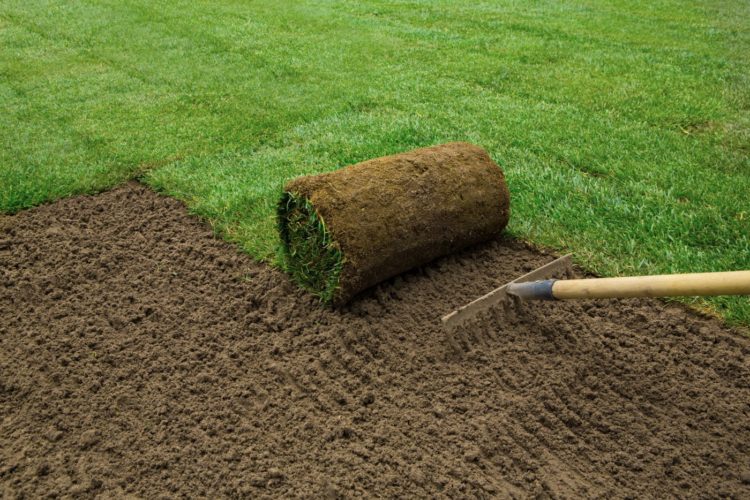
- St Augustine: Another grass that loves the heat, St Augustine, is one of the most popular southern grasses. Needs a lot of water/humidity, so not the best choice in desert areas. Good shade tolerance, okay with traffic but not great. Produces few seeds, so normally planted by sod, sprig, or plug.
- Zoysiagrass: A common grass for you transition zone dwellers, Zoysia is heat and drought tolerant, has stellar wear tolerance, and handles shade and cold well. Downsides are its slow rate of establishment and it requires regular fertilization to keep it going.
Obviously, there are many more varieties of grass available. For a more complete listing and descriptions, see this information from The Lawn Institute.

Is the grass always greener?
A typical northern and transition zone lawn will have a mix of cool-season grass types, allowing the lawn to adapt to varying conditions. Most warm-season grasses will go dormant in winter.
If you’d like a green lawn year ’round, consider overseeding with a ryegrass in the fall. Also, do keep in mind that warm-season grass types don’t play nice with each other, as they end up competing for resources.
But choosing a type of grass isn’t all you need to consider — be wise about the brand you choose. Consumer Reports’ ShopSmart magazine suggests that you don’t cheap out on the seed you buy. “Inexpensive blends may contain a large percentage of weeds and annual grass seeds, which will die after one season. Spend more for the good stuff.”
For lots more lawn information, check out the Grasses and ground cover resources at the University of Missouri Extension, and The UC (Davis) Guide to Healthy Lawns.